


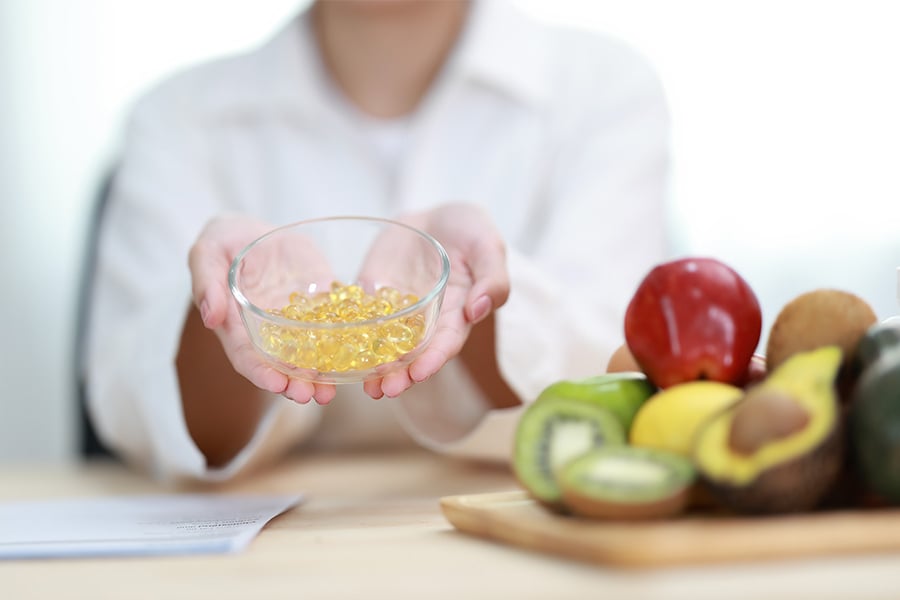
Vitamin D is an essential nutrient for the body’s proper functioning, obtained through sun exposure, diet, and supplements. Its main function is to facilitate calcium absorption, which is key to maintaining strong bones and preventing diseases such as osteoporosis. It also plays an important role in muscle function and in the transmission of signals between the brain and the rest of the body.
According to the latest National Health Survey (2017), nearly 84% of the Chilean population has insufficient levels of this vitamin. Compounding this issue is the fact that few foods contain it naturally, and most sources are of animal origin, such as saltwater fish, milk, and egg yolks, among others.
In response, health authorities introduced mandatory food fortification regulations targeting widely consumed items like milk and dairy products. Yet, because the Ministry of Health has primarily focused these policies on animal-derived products, consumers adhering to plant-based, vegetarian, or vegan lifestyles are frequently left out of standard nutritional enhancement measures.
Innovation in Plant-Based Foods
To address this nutritional gap, Dr. Jessica Alarcón—researcher at the Food Properties Research Laboratory (Inproal) within the Department of Food Science and Technology (Decytal)—is leading a Fondecyt Initiation project. The research develops novel strategies for vitamin D fortification in plant-based products using innovative, natural compound solutions.
The initiative is based on the use of Pickering-type emulsions, a technology that allows fat-soluble compounds, such as vitamin D, to be incorporated into liquid systems—such as plant-based beverages—in a more stable manner, using natural compounds instead of traditional additives. In this case, the project extracts cellulose derivatives derived from plant waste as an innovative and sustainable alternative to improve the incorporation of this nutrient into plant-based beverages.
“What we do is use different cellulose derivatives, of varying sizes, to protect the vitamin D and enable its incorporation into a vegan liquid matrix,” explains the researcher.
The goal is to develop an ingredient to fortify these types of products, expanding alternatives that are currently concentrated in animal-based products.
“There is a need nationwide, since many people do not consume animal-based products, and vegan options do not always contain all the necessary nutrients,” she notes.
Progress and Challenges in Food Fortification
Another key aspect of the research is scaling this technology up to an industrial level and ensuring its economic viability.
“For this type of development to reach the market on a production scale, companies evaluate not only the innovation itself but also its implementation in real-world processes. That’s why we’re seeking a solution that can be integrated without significantly increasing costs,” says the researcher.
The project will run for three years and includes various methodological stages. In the first phase, cellulose derivatives and their behavior in emulsions will be characterized—that is, how they help mix and stabilize components such as water and oil. Next, in vitro digestion will be evaluated to determine whether vitamin D can be properly absorbed by the body. Finally, the system will be incorporated into a food product, where its stability under industrial processes will be analyzed.
To this end, the research involves collaborations with institutions such as the University of Concepción, which is contributing to the production of cellulose nanofibers, and the University of the Andes, which is providing specialized equipment for sample analysis. In addition, the project involves collaboration with faculty members and undergraduate students in the Food Engineering program, who are participating in the experimental development of the project.
“Our goal is to help reduce vitamin D deficiency in the Chilean population by expanding access through everyday consumer products. In a context where fortified alternatives remain limited for certain groups, this research aims to open up new possibilities in the food industry.”
Moving forward, the researcher plans to apply this technology to other lipid compounds relevant to nutrition, as well as to generate scientific evidence that will advance the regulation of nanoparticle use in food in the country—an area that still presents regulatory challenges.
“We are working with nanoparticles, the use of which in food is not yet regulated in Chile. This project aims to serve as a starting point for studying their application and providing evidence that will enable progress toward future regulation,” says Dr. Alarcón.