


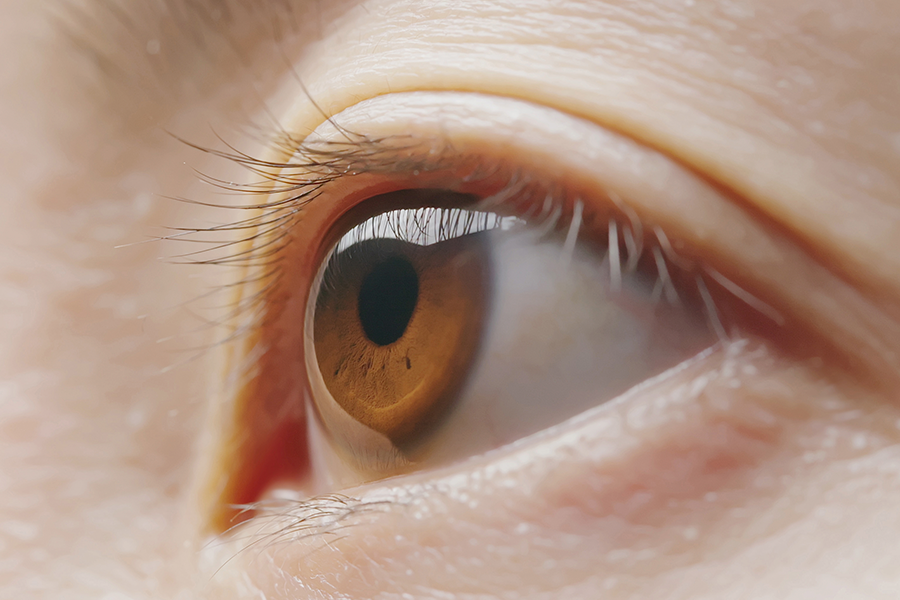
Through the Corfo "Crea y Valida" (Create and Validate) program, a high-impact collaboration between Usach’s Faculty of Medical Sciences, Cedenna, and Clínica Pasteur is advancing. This pioneering Chilean project focuses on the laboratory cultivation of corneal limbal stem cells—pluripotent-like cells capable of regenerating the ocular surface in patients suffering from severe corneal blindness.
This initiative marks a definitive milestone for regenerative medicine in Chile. By coordinating Usach’s scientific research, Cedenna’s nanotechnology, and the clinical expertise of Clínica Pasteur and Fundación Córnea Chile, the country is establishing a first-of-its-kind biomedical infrastructure. Together, these partners are developing an advanced cell therapy to treat previously incurable corneal diseases.
The research focuses on people with bilateral corneal limbal insufficiency, a disorder in which the cells responsible for renewing the surface of the cornea cease to function, causing pain, extreme photophobia, and progressive vision loss. In Chile, it is estimated that more than 6,000 people live with this condition without access to regenerative therapies, as current treatments only alleviate symptoms without reversing the damage.
The project involves the cultivation of corneal limbal cells in Cedenna's biomedical laboratory, where the necessary conditions have been implemented to replicate their differentiation process. Once implanted, these cells would have the potential to restore the ocular surface and recover the vision of patients who currently have no therapeutic alternatives.
The principal investigators, Dr. Osvaldo Berger (Usach) and Dr. Patricia Díaz (Cedenna), are leading a highly specialized effort that combines cell biology, nanotechnology, and clinical experience. The participation of the Pasteur Clinic and the Chilean Cornea Foundation ensures a direct link with patients and the future medical application of this technology.
Corfo's support, through the “Crea y Valida” instrument, recognizes the potential of this development to generate innovation with social impact and move from the laboratory to real applications in health. Currently, the project is in the initial phase of culture standardization, and the first clinical applications are expected to begin next year once the samples are fully differentiated and suitable for implantation.
If successful, this will be the first cell therapy of its kind developed entirely in Chile, marking a historic advance for regenerative eye medicine and strengthening the country's capacity to create advanced biomedical solutions. The project, the result of sustained collaboration between academic, scientific, and clinical institutions, opens up a new opportunity to improve the quality of life for thousands of people in the country.